Kruger Safari Guide – How to plan an unforgettable Big Five safari.
Have you ever wondered what it truly takes to track the elusive leopard through the golden bushveld of South Africa? Many travelers dream of visiting the massive 19,683 square kilometer expanse of the Kruger National Park, yet few know how to turn that dream into a seamless reality.
Planning a Big Five safari requires more than just booking a flight. It demands a deep understanding of the terrain, the best seasons for wildlife viewing, and the logistics of navigating such a vast sanctuary. This Kruger Safari Guide is designed to help you master these complexities with ease.
By following these expert tips, you will be well-prepared to witness Africa’s most iconic animals in their natural habitat. Let us help you transform your upcoming adventure into an unforgettable journey through the heart of the wilderness.
Key Takeaways
- Understand the sheer scale of the park to manage your travel expectations.
- Learn the best times of year to maximize your chances of spotting the Big Five.
- Discover essential packing tips for a comfortable wilderness experience.
- Navigate the differences between private reserves and public park areas.
- Prioritize safety and ethical wildlife viewing practices during your trip.

Understanding the Kruger National Park
Spanning nearly two million hectares, the Kruger National Park is a sanctuary where ancient landscapes meet untamed wildlife. This vast protected area serves as a vital refuge for thousands of species, making it a premier destination for nature lovers across the globe.
Geography and Ecosystems of the Lowveld
The park is situated within the Lowveld, a region defined by its rolling plains, dense bushveld, and winding river systems. These diverse habitats support a complex web of life, ranging from towering marula trees to hidden seasonal pans.
The landscape is shaped by several major rivers, including the Sabie and Olifants, which act as lifelines during the dry months. This unique geography ensures that the Kruger National Park remains a thriving ecosystem throughout the year.
The Significance of the Big Five
Many travelers visit this region specifically to experience a Big Five safari. This iconic term originated from early hunters who identified these animals as the most challenging and dangerous to track on foot.
“The Big Five are not just animals; they are the symbols of the African wilderness that command respect and awe from every observer.”
Today, the term represents the ultimate goal for wildlife enthusiasts. The group includes:
- Lion: The undisputed king of the savanna.
- Leopard: The elusive master of stealth.
- Elephant: The gentle giant of the bush.
- Rhino: A prehistoric marvel of the plains.
- Buffalo: Known for their formidable strength and temperament.
Focusing on these majestic creatures during your Big Five safari provides a deep connection to the history and conservation efforts that define this legendary park.
Choosing the Best Time to Visit
Deciding on the best time to visit Kruger depends largely on what you hope to see during your journey. The park undergoes dramatic transformations throughout the year, shifting from arid, golden plains to vibrant, emerald landscapes. Understanding these cycles helps you align your expectations with the natural rhythm of the bush.
Dry Season: The Prime Time for Wildlife Viewing
The dry season, which typically spans from May to September, is widely considered the peak period for wildlife viewing. During these months, the vegetation thins out significantly, making it much easier to spot animals hiding in the tall grass. Because rainfall is scarce, wildlife congregates around permanent water holes and riverbeds.
This predictable behavior allows visitors to park their vehicles near water sources and wait for the action to unfold. You are far more likely to witness predators like lions and leopards during this time. It remains the most popular window for a South Africa safari because the cooler temperatures make long days in the sun quite comfortable.
Green Season: Lush Landscapes and Birdwatching
From October to April, the park enters the green season, characterized by summer rains and high humidity. While the dense foliage can make spotting elusive predators more challenging, the Kruger National Park transforms into a photographer’s paradise. The landscape becomes lush and vibrant, providing a stunning backdrop for your adventure.
This season is a hidden gem for bird enthusiasts, as migratory species arrive in large numbers to nest. You will also find that the park is generally quieter, offering a more intimate and peaceful experience. If you prefer emerald vistas and the chance to see newborn animals, this time of year offers a unique perspective on the circle of life.
Selecting Your Accommodation Style
Your choice of accommodation will define the rhythm and comfort of your safari experience. Whether you crave rustic simplicity or refined elegance, the Kruger National Park offers diverse lodging options to suit every traveler. Finding the right base is the first step toward an unforgettable journey through the African bush.
Staying Inside the Park: SANParks Rest Camps
For those who want to be at the heart of the action, SANParks rest camps provide an authentic and immersive experience. These camps are strategically located throughout the reserve, allowing you to start your game drives the moment the gates open at sunrise.
Staying in these camps is often the most budget-friendly form of Kruger accommodation. You can choose from simple campsites, traditional rondavels, or comfortable family cottages. Being surrounded by the sounds of the wild at night creates a unique connection to nature that is hard to replicate elsewhere.
Luxury Private Game Reserves: An Exclusive Experience
If you prefer a more pampered approach, the region is famous for its world-class luxury safari lodges. These properties are typically situated in private concessions that share unfenced borders with the main park. This setup allows for a more intimate wildlife viewing experience away from the public tourist routes.
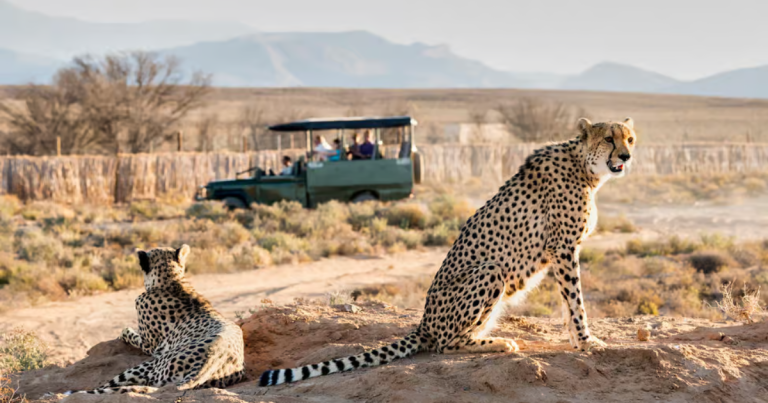
Guests at these lodges enjoy premium amenities, including gourmet dining, private plunge pools, and personalized service. A major highlight is the access to professional guided game drives in open vehicles, where expert trackers can take you off-road to get closer to the Big Five. Choosing one of these exclusive retreats ensures a seamless and high-end adventure.
| Feature | SANParks Rest Camps | Luxury Safari Lodges |
|---|---|---|
| Atmosphere | Rustic and adventurous | Sophisticated and private |
| Game Drives | Self-drive or public tours | Private, off-road access |
| Dining | Self-catering or camp cafe | All-inclusive gourmet meals |
| Price Point | Budget to mid-range | Premium and high-end |
Essential Kruger Safari Guide Planning Tips
A successful journey into the heart of the wilderness starts long before you pack your bags. By following these safari planning tips, you can ensure your time in the bush is spent enjoying nature rather than managing logistics. Proper preparation is the key to a stress-free visit to the iconic Kruger National Park.
Booking Your Permits and Accommodation in Advance
Securing your Kruger accommodation early is vital, especially if you plan to visit during peak school holidays or dry season months. Popular rest camps often fill up months in advance, so booking ahead prevents disappointment. You should also ensure your entry permits are sorted to avoid long queues at the gates.
- Check the official SANParks website for real-time availability.
- Consider staying at different camps to explore various regions of the park.
- Always keep a digital or printed copy of your booking confirmation handy.
Determining the Duration of Your Stay
Many travelers wonder how much time they need to truly appreciate the vast landscape. As a general rule, a Kruger Safari Guide recommendation suggests that three to four days is the ideal minimum for a rewarding experience. This timeframe allows you to settle into the rhythm of the bush without feeling rushed.
Spending at least three nights gives you enough flexibility to explore different habitats and increase your chances of spotting the Big Five. Taking your time ensures you can enjoy slow game drives and quiet moments at waterholes. A well-planned trip is the best way to create lasting memories in this magnificent wilderness.
Navigating the Park: Self-Drive vs. Guided Tours
Choosing between a self-drive safari and guided game drives is the first step toward crafting your perfect South African adventure. Both methods offer distinct ways to experience the wonders of the Kruger National Park, and your preference will depend on your desire for independence versus educational depth.
The Freedom of a Self-Drive Safari
A self-drive safari provides the ultimate flexibility for travelers who enjoy setting their own pace. You have the freedom to linger at a leopard sighting for as long as you like or move quickly through areas that seem quiet.
This approach requires solid driving skills and a keen eye for spotting wildlife in the dense bush. It is a rewarding way to connect with nature on your own terms while exploring the vast road network of the park.
“The beauty of the bush is best discovered when you have the time to stop, listen, and observe the subtle movements of the wild.”
Benefits of Professional Guided Game Drives
If you prefer to learn about animal behavior and complex ecosystems, guided game drives are an excellent choice. Professional rangers possess deep knowledge of the terrain and use their expertise to track elusive predators that you might otherwise miss.
These experts share fascinating insights into the flora and fauna, turning every sighting into an educational experience. They also navigate the park with ease, allowing you to relax and focus entirely on the scenery.
| Feature | Self-Drive | Guided Tour |
|---|---|---|
| Flexibility | High | Low |
| Expertise | Personal | Professional |
| Cost | Budget-friendly | Premium |
Ultimately, your choice depends on whether you value personal discovery or the educational insights provided by a seasoned guide. Many visitors find that combining both methods during their stay offers the most balanced and memorable experience in the park.
Tracking the Big Five: Where and How
Tracking wildlife across the vast landscapes of the park is an art form that rewards the observant traveler. A successful Big Five safari depends on your ability to interpret the subtle clues left behind by these magnificent creatures. By understanding their preferred environments, you can significantly increase your chances of a memorable encounter.

Identifying Habitats for Lions and Leopards
Lions are often found lounging in open savanna areas or near waterholes where prey frequently gathers. They prefer to stay in the shade during the heat of the day, so keep your eyes peeled under large acacia trees. Listening for the alarm calls of birds or monkeys can often lead you directly to a pride resting in the tall grass.
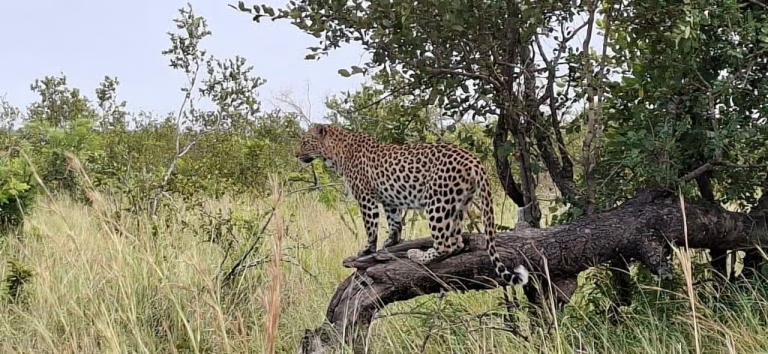
Leopards, on the other hand, are masters of stealth and prefer rocky outcrops known as kopjes. These elusive cats enjoy the elevation provided by granite boulders, which offer a perfect vantage point for hunting. If you spot a tree with a heavy branch, scan the canopy carefully, as leopards frequently stash their kills high above the ground to protect them from scavengers.
Locating Elephants, Rhinos, and Buffalo
Elephants are highly social and are usually found near reliable water sources or in areas with dense vegetation. You will often hear them before you see them, as they communicate through low-frequency rumbles and the sound of snapping branches. Observing Kruger wildlife in this way allows you to appreciate their massive scale and gentle nature.
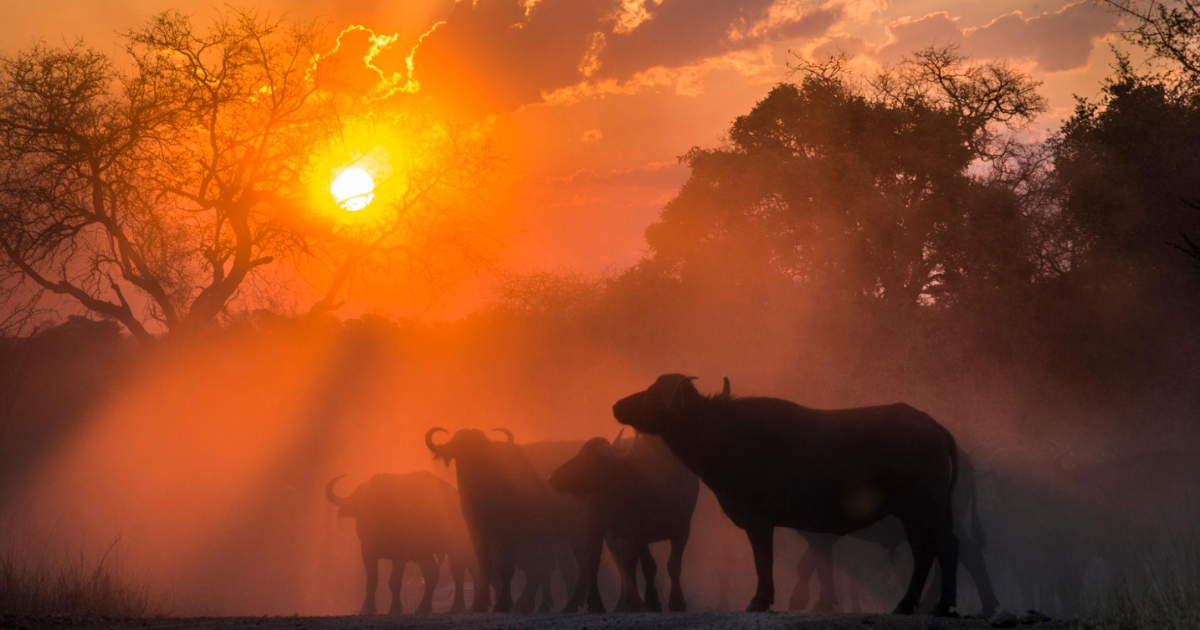
Rhinos are notoriously shy and tend to favor thick, thorny bushveld where they can remain hidden from view. Because they are solitary or found in small groups, patience is your greatest asset when searching for them. Buffalo are more gregarious and are frequently spotted in large herds grazing in open grasslands or near riverbeds.
Always remember that tracking is a skill that improves with time and focus. Whether you are on a Big Five safari or simply enjoying the scenery, keeping a sharp eye on the horizon will reveal the hidden wonders of Kruger wildlife. Stay quiet, stay alert, and enjoy the thrill of the hunt.
Packing Essentials for Your South African Adventure
Getting ready for a South Africa safari involves balancing comfort with the practical needs of the African wilderness. The bush environment is unpredictable, so your gear must be both functional and durable. By selecting the right items, you ensure that your focus remains on the incredible wildlife rather than your personal comfort.
Clothing and Gear for Changing Temperatures
The climate in the bush often shifts dramatically from the early morning chill to the heat of the afternoon. We recommend wearing breathable, lightweight layers that you can easily remove as the sun rises. Stick to neutral colors like khaki, tan, or olive to blend into the natural landscape and avoid attracting unwanted attention from insects.
Long sleeves and trousers are highly recommended for your South Africa safari. They provide essential protection against the harsh sun and potential mosquito bites during dawn and dusk. Always pack a warm fleece or a windbreaker, as open-vehicle game drives can become quite cold before the sun fully warms the earth.
Technical Equipment and Binoculars
High-quality optics are arguably the most important tool you will carry. A pair of reliable binoculars allows you to spot elusive leopards or distant birds that the naked eye might miss. We suggest choosing a pair with 8x or 10x magnification for the best balance of stability and detail.
Beyond optics, ensure your camera gear is protected from the fine dust common in the park. A sturdy bag and a cleaning kit will keep your lenses clear for those perfect action shots. Having the right equipment ensures you are fully prepared for every encounter during your South Africa safari.
| Category | Essential Item | Purpose |
|---|---|---|
| Clothing | Neutral Layers | Temperature control |
| Optics | 8×42 Binoculars | Wildlife spotting |
| Protection | Sunscreen & Hat | UV ray defense |
| Gear | Dust-proof Bag | Equipment safety |
Health, Safety, and Park Regulations
Before you head out into the wild, understanding the local health and safety protocols is essential for a smooth trip. A successful adventure in the bush depends on your commitment to following established guidelines. By staying informed, you ensure that your time in the Kruger National Park remains both enjoyable and secure.
Malaria Prevention and Health Precautions
The region is a malaria-risk area, so taking proactive steps is vital for your well-being. You should consult your doctor well before your departure to discuss appropriate malaria prophylaxis. They can provide the best advice based on your personal medical history and the current season.
Beyond medication, remember to pack effective insect repellent and wear long-sleeved clothing during the early morning and late evening hours. These simple habits significantly reduce your exposure to mosquito bites. Staying healthy allows you to focus entirely on the incredible wildlife sightings that await you.
Strict Rules for Staying Safe Around Wildlife
Maintaining Kruger safety requires strict adherence to park regulations designed to protect both visitors and animals. You must keep your vehicle doors closed and windows up at all times while driving through the reserve. Never attempt to feed or touch the animals, as they are wild and unpredictable.
Always maintain a respectful distance from any wildlife you encounter on the road. If an animal approaches your vehicle, remain calm and slowly back away if it is safe to do so. Following these rules ensures that you do not disturb the natural behavior of the animals while keeping yourself out of harm’s way.
Budgeting for Your Safari Experience
Managing your safari budget effectively is the secret to enjoying every moment of your South African adventure. While the thrill of spotting wildlife is priceless, keeping track of your expenses ensures that your trip remains sustainable and stress-free from start to finish.

Managing Daily Conservation Fees
When visiting the Kruger National Park, you must account for daily conservation fees. These mandatory charges support the ongoing protection of the park’s diverse ecosystems and wildlife populations.
If you are embarking on a self-drive safari, these fees are typically paid at the entrance gate or pre-booked online. It is wise to check the current rates on the official SANParks website before you depart, as these prices can fluctuate based on your residency status.
Hidden Costs to Consider for Your Trip
Beyond the standard entry fees, several hidden costs can impact your overall safari budget. Fuel is a significant factor, especially if you plan to cover large distances within the park during your self-drive safari.
You should also set aside funds for food supplies, as dining options inside the park can be more expensive than in nearby towns. Additionally, consider the following potential expenses:
- Guided game drives or specialized walking tours.
- Gratuities for camp staff and professional guides.
- Emergency supplies like extra water, snacks, and basic medical kits.
By planning for these variables, you can ensure your time in the Kruger National Park is defined by unforgettable wildlife encounters rather than financial stress. A little preparation goes a long way in making your dream vacation a reality.
Photography Tips for Wildlife Enthusiasts
Mastering Kruger photography is a rewarding challenge for any nature lover visiting South Africa. Whether you are embarking on guided game drives or exploring the park at your own pace, the right approach ensures you return home with a stunning visual record of your adventure.
Choosing the Right Camera Gear
The vast landscapes of the park demand versatile equipment. A high-quality zoom lens is essential for wildlife viewing, as it allows you to capture distant subjects without intruding on their natural behavior.
Stability is equally important when shooting from a vehicle. Using a beanbag instead of a tripod provides a flexible, steady base that works perfectly on the edge of a car window.
| Equipment | Primary Benefit | Recommended Spec |
|---|---|---|
| Telephoto Lens | Distance reach | 100-400mm or 150-600mm |
| Camera Body | Fast focus | High burst rate |
| Support | Stability | Beanbag |
Techniques for Capturing Action Shots
Capturing the perfect action shot requires patience and anticipation. Watch the behavior of the animals closely; often, a lion or elephant will give subtle cues before moving or interacting with the pride.
“The secret to great wildlife photography is not just the gear, but the ability to wait for the story to unfold before your eyes.”
Set your camera to a fast shutter speed to freeze motion, especially when birds take flight or predators chase prey. Always prioritize the well-being of the animals by keeping a respectful distance, ensuring your presence does not alter their natural patterns.
Respecting Wildlife and Conservation Ethics
Ethical tourism is the cornerstone of preserving the incredible biodiversity found within these borders. When you enter the park, you become a temporary guest in a fragile and complex home. Responsible behavior ensures that the natural environment remains undisturbed for the animals that live here.
Maintaining Proper Distance from Animals
Keeping a respectful distance is vital for both your safety and the well-being of the Kruger wildlife. Animals often display signs of stress when vehicles approach too closely or block their natural paths. By staying on designated roads and keeping a quiet, calm demeanor, you allow the animals to behave naturally.
Never attempt to lure animals with food or loud noises to get a better photograph. These actions disrupt their feeding habits and can lead to dangerous encounters. Remember that you are an observer, not a participant, in their daily lives.
Supporting Local Conservation Initiatives
Many luxury safari lodges play a pivotal role in funding and managing vital protection programs. These establishments often work closely with park rangers to monitor endangered species and combat poaching. Choosing to stay at these properties often means your travel budget directly contributes to the long-term survival of the ecosystem.
Visitors can also support these efforts by participating in educational talks or community outreach programs. Engaging with local experts provides a deeper understanding of the challenges facing the park today. Every contribution helps ensure that future generations can experience the magic of the bush.
| Action | Why It Matters | Impact |
|---|---|---|
| Keep Distance | Reduces animal stress | Natural behavior |
| Stay on Roads | Protects vegetation | Habitat preservation |
| Support Lodges | Funds anti-poaching | Species survival |
| Follow Rules | Ensures human safety | Sustainable tourism |
Conclusion
Kruger National Park remains a premier destination for travelers seeking a deep connection with nature. This vast landscape offers a unique chance to witness the raw beauty of the African bushveld. A successful South Africa safari requires careful attention to detail and a respect for the environment.
Preparation serves as the foundation for your adventure. By utilizing these expert safari planning tips, you ensure that every aspect of your trip aligns with your expectations. From selecting the right time of year to understanding park safety, your proactive approach makes all the difference.
The true magic of this experience lies in the quiet moments spent observing wildlife in their natural habitat. You will find that the rhythm of the wilderness changes your perspective on the world. This journey offers more than just sightings of the Big Five; it provides a lasting memory of the wild heart of South Africa.
Start your planning process today to secure your spot in this iconic sanctuary. Your dream adventure awaits among the acacia trees and golden plains. Pack your bags and prepare for a life-changing encounter with the natural wonders of the world.
FAQ
What exactly are the Big Five and why are they so famous?
Originally, the term Big Five was coined by big-game hunters to describe the five most dangerous African animals to track on foot: the lion, leopard, African elephant, Cape buffalo, and rhino. Today, seeing these majestic creatures in Kruger National Park is the ultimate goal for wildlife enthusiasts, representing the pinnacle of the South Africa safari experience.
When is the absolute best time to visit Kruger National Park for wildlife viewing?
While the park is a year-round destination, the dry season (May to September) is widely considered the best time. During these months, the Lowveld vegetation thins out, and animals naturally congregate around permanent water sources like the Sabie River, making them much easier to spot. If you are a birdwatcher, the green season (October to April) offers lush landscapes and the arrival of migratory species.
How many days should I spend on a Kruger safari to see everything?
To truly immerse yourself in the Kruger National Park experience and increase your chances of spotting the Big Five, we recommend a stay of at least three to four days. This duration allows you to explore different regions, such as the area around Skukuza Rest Camp or the central plains near Satara, without feeling rushed.
Should I choose a self-drive safari or a guided game drive?
It depends on your preference! A self-drive safari offers total freedom and is very budget-friendly; you can enter through gates like Paul Kruger Gate and set your own pace. However, guided game drives led by professional rangers—such as those from Wild Frontiers or Singita—provide expert tracking skills and deep insights into animal behavior that you might miss on your own.
What are the main differences between SANParks rest camps and luxury safari lodges?
SANParks rest camps, like Lower Sabie or Olifants, offer comfortable, affordable accommodations and a classic “bush” feel. In contrast, luxury safari lodges—often located in private concessions or the adjacent Sabi Sand Game Reserve—provide an all-inclusive, high-end experience with gourmet dining, private decks, and exclusive access to off-road tracking.
What clothing and gear are essential for a South Africa safari?
Pack breathable, neutral-colored clothing (khaki, olive, or beige) to blend into the environment and avoid attracting insects. Layering is key, as mornings can be chilly even in the summer. Don’t forget a pair of high-quality binoculars, such as Swarovski or Bushnell, and a wide-brimmed hat for sun protection.
Is Kruger National Park located in a malaria-risk area?
Yes, Kruger National Park is situated in a malaria-endemic region. It is highly recommended to consult with a healthcare professional before your trip regarding malaria prophylaxis. Additionally, use insect repellent and wear long sleeves during the evening to minimize the risk of bites.
What are the mandatory conservation fees for visitors?
Every visitor must pay a daily conservation fee, which goes directly toward the protection of the park’s biodiversity and anti-poaching efforts. For international visitors, these fees are higher than for local residents. If you plan an extended stay, consider purchasing a Wild Card, which can be a more cost-effective way to cover entry for multiple days.
What photography equipment is best for capturing wildlife?
For stunning wildlife shots, a DSLR or mirrorless camera (like a Canon EOS or Nikon Z series) paired with a versatile zoom lens (at least 200mm to 600mm) is ideal. This allows you to capture close-up action shots of a leopard in a tree or an elephant crossing the road without disturbing their natural behavior.
Are there strict safety rules I should know before entering the park?
Absolutely. The most important rule is to stay inside your vehicle at all times unless you are at a designated picnic site or rest camp. Keep your doors locked and windows up when near predators, and always maintain a respectful distance from the animals to ensure both your safety and theirs.